
Popular Tools And Materials For Basement Remodeling Projects
Identify the key products that ensure quality results and efficient completion of your basement renovation efforts.
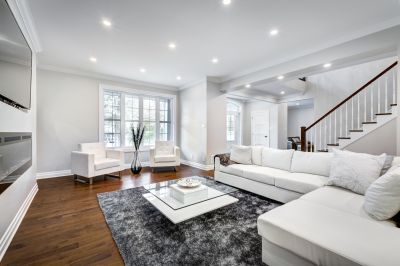 Remodeling a basement offers a versatile opportunity to enhance your home's functionality and aesthetic appeal. Whether transforming a dark, unfinished space into a cozy family room, a home theater, or an additional bedroom, selecting the right products is essential for a successful renovation. Proper insulation, durable flooring, effective lighting, and moisture control are foundational elements that influence the comfort and longevity of the finished space. Understanding the variety of available products can help homeowners make informed decisions that align with their specific needs and design preferences.
Top Overall Option
All-in-One Basement Renovation Kit
An all-in-one basement renovation kit provides a comprehensive set of essential materials, including moisture barriers, insulation, drywall, and finishing accessories. Designed to streamline the remodeling process, it offers a balanced combination of durability, ease of installation, and versatility, making it suitable for various project scopes. This type of kit can help homeowners efficiently manage their renovation, ensuring all critical components are compatible and of quality, resulting in a cohesive and finished space.
Types of Products For Basement Remodelings
Waterproofing Systems
Products designed to prevent water intrusion and manage moisture, including sealants, drainage mats, and sump pumps, are vital for basement longevity.
Insulation Materials
Various insulation options such as foam boards, spray foam, and fiberglass batts help improve thermal efficiency and comfort.
Drywall and Wall Panels
Moisture-resistant drywall and decorative wall panels are essential for creating finished, attractive walls.
Flooring Options
Durable flooring choices like vinyl planks, epoxy coatings, and carpet tiles enhance usability and aesthetics.
Lighting Fixtures
Recessed lighting, sconces, and task lights help illuminate the space effectively and stylishly.
Heating and Cooling Solutions
Heaters, fans, and ventilation systems ensure proper climate control within the basement.
Electrical Components
Wiring, outlets, and switches designed for basement environments facilitate safe and functional electrical setups.
Storage Solutions
Built-in shelving, cabinets, and organizational systems maximize space and keep the area tidy.
Ceiling Options
Drop ceilings, drywall ceilings, and decorative panels help conceal utilities and improve acoustics.
Moisture Barriers
Vapor barriers and sealants are critical for preventing moisture seepage and damage.
Soundproofing Materials
Acoustic panels and insulation reduce noise transfer, creating a quieter environment.
Decorative Finishes
Paints, wallpapers, and wall coverings add personality and style to basement walls.
Staircase and Entryway Enhancements
Handrails, treads, and lighting improve safety and accessibility.
Fire Safety Equipment
Smoke detectors, fire extinguishers, and escape ladders are essential for safety compliance.
Ventilation Systems
Exhaust fans and air exchangers promote fresh air circulation and reduce humidity.
Popular Choices
Ideal for basement walls, this drywall resists mold and moisture damage.
A versatile and durable flooring option that mimics hardwood appearance.
Energy-efficient lighting fixtures that provide even illumination.
Essential for managing groundwater and preventing flooding in basements.
Provide thermal insulation and moisture resistance for basement walls.
Applied to walls and floors to add an extra layer of moisture protection.
Easy-to-install ceiling options that conceal utilities and improve acoustics.
Maximize storage space and organization within the basement.
Provide supplemental heating, especially in unconditioned areas.
Help improve indoor air quality and reduce odors in basement spaces.
Add aesthetic appeal and texture to finished basement walls.
Enhance safety and compartmentalization within the basement.
Reduce noise transfer between rooms or floors.
Ensure proper airflow and temperature regulation.
Secure and seal basement entry points against weather elements.
Add rustic charm and visual interest to basement ceilings.
Practical for laundry or cleaning areas within the basement.
Basement remodeling projects often require specialized materials that can withstand moisture and temperature fluctuations. Waterproofing systems, vapor barriers, and moisture-resistant drywall are critical components to prevent issues like mold and water damage. Additionally, choosing appropriate flooring options such as vinyl planks, carpet tiles, or epoxy coatings can dramatically improve the usability and appearance of the space. Proper lighting solutions, including recessed fixtures, task lighting, and decorative options, help create a welcoming environment.
Electrical wiring, insulation, and HVAC considerations also play vital roles in creating a comfortable and functional basement. Ensuring adequate ventilation and temperature regulation can enhance air quality and energy efficiency. Storage solutions, such as built-in shelving or custom cabinets, can maximize space utilization. Overall, a comprehensive approach that combines these elements will result in a basement that is both practical and inviting, tailored to the unique requirements of each homeowner.
Key Buying Considerations
- Assess the moisture levels and water management needs of your basement before selecting products.
- Choose insulation materials that offer both thermal efficiency and moisture resistance.
- Opt for waterproof or moisture-resistant drywall to prevent mold growth.
- Select flooring options suited for damp environments, such as vinyl or epoxy coatings.
- Ensure lighting fixtures are rated for basement use and provide adequate illumination.
- Incorporate proper ventilation and humidity control to maintain air quality.
- Consider the ease of installation and compatibility of different products within your renovation scope.
- Prioritize safety features like fire-resistant doors and smoke detectors.
- Maximize storage with built-in solutions to keep the space organized and functional.
- Evaluate the energy efficiency of heating, cooling, and lighting options to reduce long-term costs.
- Plan for electrical wiring and outlets to meet your specific needs and safety standards.
- Choose finishes and decorative elements that match your aesthetic preferences.
- Factor in accessibility features if the basement will be used frequently by all household members.
- Consult professionals for complex tasks such as waterproofing and electrical work.
- Review product warranties and return policies to ensure quality and support.